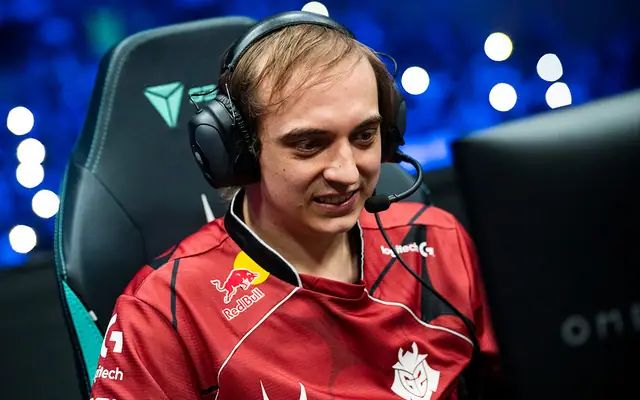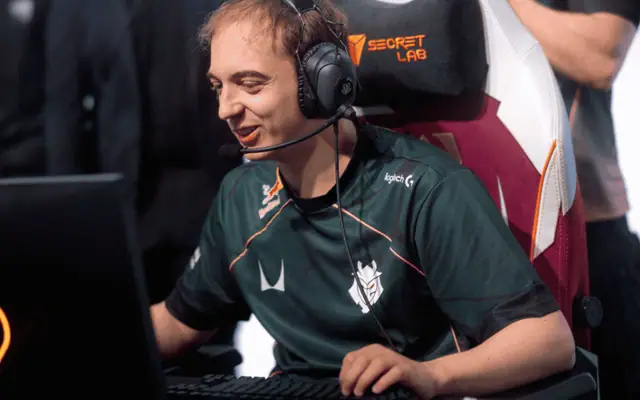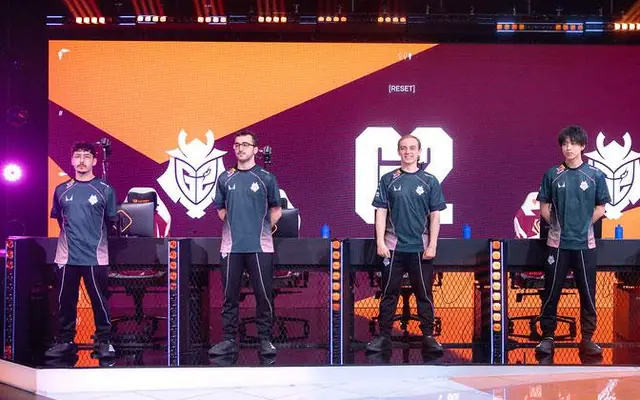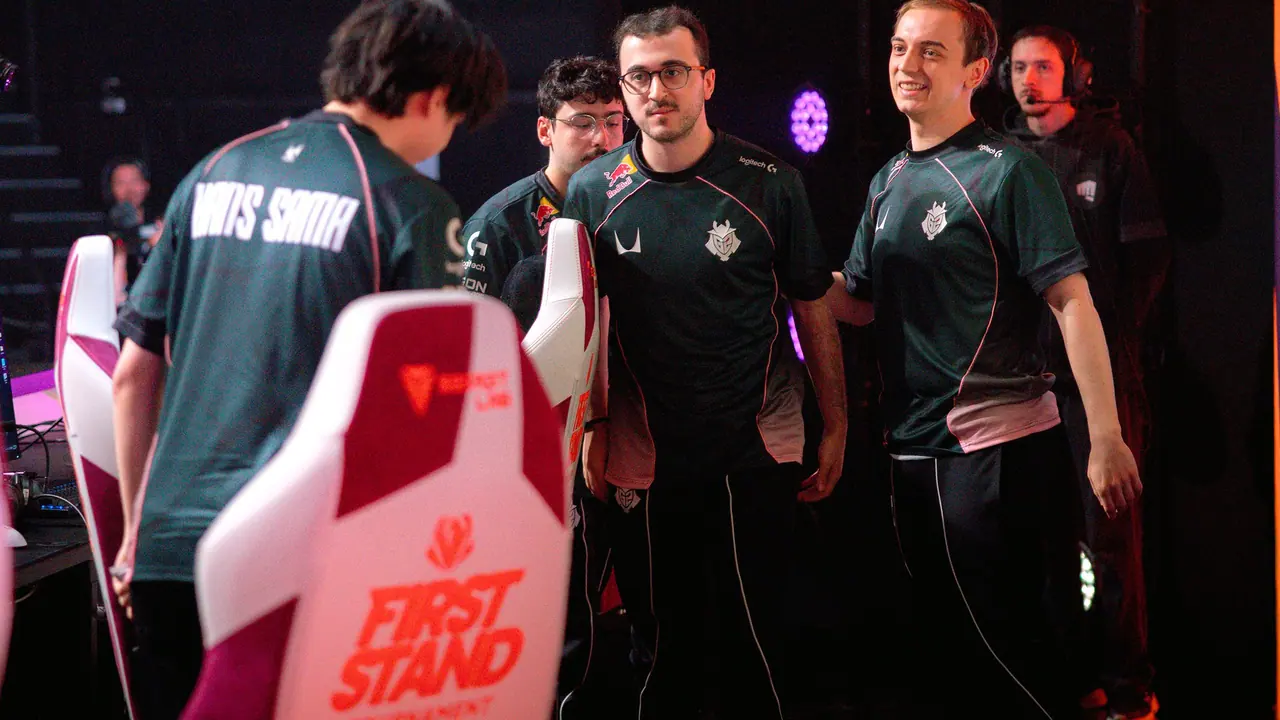
A Baron steal is an unusually efficient highlight. It compresses several minutes of League of Legends into a health bar, a scramble, and a dramatic reaction. For a G2 fan, that final moment can feel like the whole explanation for a win or a loss. Yet the most revealing decisions often happened before anybody entered the pit. Waves determined who could move. Recalls determined who had items. Information determined which entrances were dangerous. The steal was the visible ending of a much longer sequence.
This guide offers a way to read that sequence without pretending to know G2's private communications. The situations described are hypothetical teaching examples, not claims about a particular professional match. Riot's official introduction identifies Baron as a major team objective; its 2026 season documentation also shows why objective interactions must be read in their patch context. The useful viewing habit is to reconstruct the choices available to both teams before evaluating the final result.
Start the review before the objective appears on screen
If the first frame in your analysis is five players standing in the pit, you have already lost much of the explanation. Rewind to the preceding wave cycle and the last set of recalls. Ask which team arrived first and what it paid to arrive. Early access can be purchased with a pushed lane, a teleport commitment, an abandoned camp, or a player temporarily leaving a side lane. Those costs matter even when no fight happens.
In a hypothetical G2 setup, the team might appear to own the river while one opponent catches a large wave elsewhere. The interesting question is not simply whether the opponent is late. Ask whether that wave was created deliberately, whether G2 can use the window before the opponent returns, and whether another enemy player can delay the attempt. This wider frame makes a quiet reset informative. A team can improve its next opportunity without taking Baron on the current visit.
Distinguish starting Baron from committing to Baron
Attacking Baron does not always mean the team intends to finish it immediately. An initial start can test the opponent's response, reveal a defender, or make someone approach a dangerous entrance. A team may also use objective damage to create a decision it prefers to the neutral map state. The action has several possible purposes, and those purposes can change as information arrives.
Imagine a hypothetical situation in which the opposing team has excellent wave clear but struggles to enter dark terrain. Standing in a lane might achieve little, while touching Baron can force that opponent to leave its comfortable position. The attacking team must still preserve a realistic way to stop hitting the monster and fight. If everyone spends key abilities on the objective, the threat of turning becomes less credible. Watch which players continue to damage Baron and which remain available to control space. Their allocation often explains the call better than the objective's health alone.
Read the waves as part of the fight
A side-lane wave can influence Baron without appearing in the highlight. If an opponent must answer a threatening wave, the team around Baron may gain a temporary numbers advantage. If the wave is harmless, that opponent can move freely. The viewer should therefore compare the time needed to manage the wave with the time needed to threaten the objective. Pressure that arrives too early or too late may not create the intended choice.
In a hypothetical example, a large wave approaches an enemy structure while G2 controls the nearby river. The opponent can lose the wave and contest, send one player away, or attempt a faster play elsewhere. Each response changes G2's options. A viewer should resist calling the position automatic, because movement abilities, teleport availability, and the ability to clear quickly can shrink the window. The wave is a source of leverage, not a guarantee. That distinction explains why similar map pictures sometimes lead to very different calls.
Count useful information rather than ward icons
Vision analysis becomes misleading when it stops at the number of wards on the map. A ward matters because it answers a question at a relevant time. Can the enemy jungler approach this route? Is a flank being prepared? Did the opposing carry remain in lane? Information that does not affect the current decision may be less valuable than one carefully timed glimpse of an important player.
Watch how information expires. Seeing an enemy several moments earlier does not mean that enemy remains there. A swept area is not permanently safe. A route can become dangerous when a teammate moves away, even if no new ward appears. When reviewing a hypothetical G2 call, list what the players could reasonably know at the instant of commitment. Keep that list separate from the spectator's full map view. This prevents hindsight from turning every hidden opponent into something the team supposedly should have seen.
Ask who can stop damaging the objective
During a Baron attempt, the team must allocate several jobs at once: damage the monster, absorb danger, watch entrances, and threaten approaching opponents. Those jobs do not always belong to the same champions from game to game. A composition with strong sustained damage and reliable disengage can organize an attempt differently from one relying on burst and a narrow engage window.
Consider a hypothetical team whose main damage dealer must also provide its most important crowd control. Spending that control on Baron can weaken its ability to prevent a contest. Another teammate may need to take over part of the objective damage so the control remains available. The viewer should track cooldowns alongside positions. A champion standing outside the pit may appear inactive while actually preserving the only tool that makes the attempt safe. Conversely, a champion repeatedly hitting Baron may be reducing the team's flexibility at precisely the wrong moment.
Understand the turn before judging the Smite
A turn is the decision to stop prioritizing the objective and fight the opponent instead. It works best when the team has a shared understanding of the target and the path into the fight. If only some players stop damaging Baron, the team can become divided between two tasks. The result may look like poor individual execution even though the underlying problem is incompatible intentions.
In a hypothetical contest, an opposing support walks into a narrow approach while its damage dealers remain farther away. Turning on that support might create a favorable fight, but only if G2's damage can actually reach the same target. If the carry is trapped behind the pit wall or occupied by a flank, the apparent opportunity may be deceptive. Watch the paths available to all five players, not just the player making first contact. A successful turn is a coordinated transition, not merely a champion leaving the pit.
A steal risk is created collectively
The jungler's final input is important, but it is not the entire objective-security system. Opponents gain access through space, mobility, crowd control, and timing. A team that allows an enemy jungler a clear route may have created a difficult final contest before Smite is used. A team that keeps that opponent away can make the final input less contested. Neither observation erases the possibility of mechanical mistakes.
When watching a hypothetical steal, ask which defenders could have blocked the approach, whether the damage pace changed unexpectedly, and whether the team had a credible option to pause. Do not invent a precise secure threshold from incomplete broadcast information. Abilities can overlap, health can drop quickly, and the player view may differ from the spectator view. A fair review separates access control, damage coordination, and the final timing. Blaming one person for all three is emotionally simple but analytically weak.
Plan the exit as carefully as the entrance
Securing Baron does not make the next few seconds irrelevant. Players can be low on health, have important abilities unavailable, or be positioned in a way that exposes them to an approaching opponent. A team must decide whether to fight, retreat together, or allow different players to leave through different routes. The best option depends on the information and resources remaining after the objective dies.
A hypothetical G2 attempt might secure the buff while leaving its main damage dealer unable to survive an immediate engagement. If the team had an available disengage route but ignored it, the objective win may be followed by avoidable losses. In another situation, turning immediately could be necessary because retreating through a narrow entrance is more dangerous. Judge the exit against the position that actually exists after the objective, rather than treating the buff as permission for unlimited aggression. The call has an aftermath that belongs in the review.
Measure what the buff allows on the map
The value of Baron is connected to what a team does with the time and pressure it creates. An objective secured without coordinated waves or sensible spending can produce less than the initial celebration suggests. Conversely, a modest-looking siege can have real value if it changes map access, removes structures, or forces difficult defensive assignments. The viewer should continue the review beyond the replay of the last hit.
In a hypothetical conversion, the team first resets, spends gold, and organizes pressure across lanes rather than immediately forcing a crowded fight. That sequence may be more productive than chasing another highlight with exhausted resources. Ask which structures are realistically available and whether the team can protect the players applying pressure. Avoid grading the buff solely by whether the Nexus falls during its duration. A successful conversion can improve the next map state without ending the game, while an unnecessary fight can squander a promising one.
Build a review that distinguishes choices from outcomes
Use three checkpoints when reviewing the next G2 Baron sequence: the setup, the commitment, and the conversion. At each checkpoint, record the visible information, the plausible alternatives, and the uncertainty that remains. If you cannot determine a cooldown or a player's perspective, mark it unknown. That is more useful than filling the gap with a confident story about intent.
Finally, ask whether your opinion would change if the last hit had gone the other way. A well-constructed setup can still lose a difficult contest; a poor setup can survive because an opponent makes a mistake. The outcome remains part of the evidence, but it should not overwrite everything preceding it. That is how a Baron highlight becomes a richer lesson in League of Legends: the spectacular second is still exciting, while the quiet decisions around it become visible too.